
Trump bans travel from 5 more countries, imposes new limits on others
Breaking Legal News

President Donald Trump‘s administration is expanding its travel ban to include five more countries and impose new limits on others.
This move Tuesday is part of ongoing efforts to tighten U.S. entry standards for travel and immigration. The decision follows the arrest of an Afghan national suspect in the shooting of two National Guard troops over Thanksgiving weekend.
The Republican administration announced it was expanding the list of countries whose citizens are banned from entering the U.S. to include Burkina Faso, Mali, Niger, South Sudan and Syria. The administration also fully restricted travel on people with Palestinian Authority-issued travel documents.
People who already have visas, are lawful permanent residents of the U.S. or have certain visa categories such as diplomats or athletes, or whose entry into the country is believed to serve the U.S. interest, are all exempt from the restrictions. The proclamation said the changes go into effect on Jan. 1.
Trump warned of what he described as an increasingly antisemetic Congress and said the “Jewish lobby” is weakened in the United States as he spoke Tuesday night at a White House Hannukah party.
Hundreds of guests packed the East Room, including some survivors of the Holocaust, a number of lawmakers, Republican donor Miriam Adelson, conservative commentator Mark Levin and conservative activist Laura Loomer.
Trump talked about his support of Israel after the Oct. 7 attacks by Hamas and the subsequent bombing of Iran nuclear sites. He said Jewish people have never had a supporter like him in the White House.
The Trump administration said in its announcement that many of the countries from which it was restricting travel had “widespread corruption, fraudulent or unreliable civil documents and criminal records” that made it difficult to vet their citizens for travel to the U.S.
It also said some countries had high rates of people overstaying their visas, refused to take back their citizens whom the U.S. wished to deport or had a “general lack of stability and government control,” which made vetting difficult. It also cited immigration enforcement, foreign policy and national security concerns for the move.
The Afghan man accused of shooting the two National Guard troops near the White House has pleaded not guilty to murder and assault charges. In the aftermath of that incident, the administration announced a flurry of immigration restrictions, including further restrictions on people from 19 initial countries who were already in the U.S.
The new restrictions on Palestinians come months after the administration imposed limits that make it nearly impossible for anyone holding a Palestinian Authority passport to receive travel documents to visit the U.S. for business, work, pleasure or educational purposes.
The announcement Tuesday goes further, banning people with Palestinian Authority passports from emigrating to the U.S.
In justifying its decision Tuesday, the administration said several “U.S.-designated terrorist groups operate actively in the West Bank or Gaza Strip and have murdered American citizens.”
The administration also said the recent war in those areas had “likely resulted in compromised vetting and screening abilities.”
Countries that were newly placed on the list of banned or restricted countries said late Tuesday that they were evaluating the news. The government of the island nation of Dominica in the Caribbean Sea said it was treating the issue with the “utmost seriousness and urgency” and was reaching out to U.S. officials to clarify what the restrictions mean and address any problems.
Antigua and Barbuda’s ambassador to the United States, Ronald Saunders, said the “matter is quite serious” and he’ll be seeking more information from U.S. officials regarding the new restrictions.
The Trump administration also upgraded restrictions on some countries — Laos and Sierra Leone — that previously were on the partially restricted list and in one case — Turkmenistan — said the country had improved enough to warrant easing some restrictions on travelers from that country. Everything else from the previous travel restrictions announced in June remains in place, the administration said.
Related listings
-

Kansas AG asking judge to dismiss redistricting lawsuits
Breaking Legal News 03/09/2022Attorney General Derek Schmidt is asking a Wyandotte County judge to dismiss two lawsuits filed over new Kansas congressional district lines enacted by Republican lawmakers. Schmidt’s request Monday came three days after the Kansas Supreme Cour...
-

Tunisian trial shines light on use of military courts
Breaking Legal News 11/24/2021A few days after Tunisia’s president froze parliament and took on sweeping powers in July, a dozen men in unmarked vehicles and civilian clothes barged into politician Yassine Ayari’s family home overnight and took him away in his pajamas...
-

International Criminal Court to probe abuses in Venezuela
Breaking Legal News 11/09/2021The International Criminal Court is opening a formal investigation into allegations of torture and extrajudicial killings committed by Venezuelan security forces under President Nicolás Maduro’s rule, the first time a country in Latin Am...
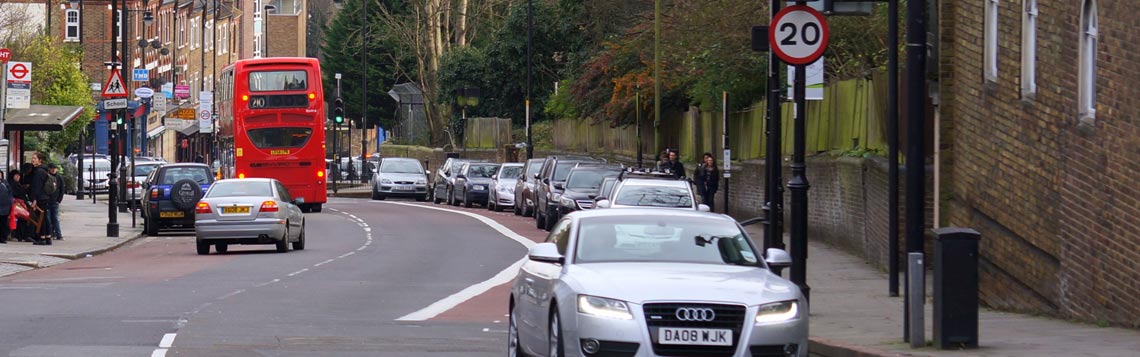
Car Accident Lawyers in New Rochelle, New York
If you have gotten in a car accident, it could seriously change your life. Whether the accident was caused by the other party’s fault or a fault of your own, you’ll want to to make sure that you are ready to prepare yourself for any cases that might follow.
Immediately following any type of car accident, it is important to take certain steps to ensure that the courts will treat you with respect and fairly. First, assess your mental and physical condition. Make sure right after the accident, you document any information regarding the accident and situation, it can be of great help later on.
You’ll want to make sure that you seek professional help for any medical conditions you may be experiencing. Do not wait to seek medical attention, you’ll want to make sure that you have documented evidence of the injury that was caused by the accident. The amount of treatment is also taken into consideration in every case.