
Former New Mexico lawmaker pleads guilty to diverting public school funds
Legal Compliance

A former high-ranking Democratic legislator in New Mexico accused of diverting millions of dollars meant for vocational education in the state's largest school district to businesses and charities in which she had an interest has pleaded guilty to state charges that include fraud and money laundering.
Sheryl Williams Stapleton changed her plea during a hearing Friday, just three weeks after a federal jury convicted her of dozens of similar charges stemming from what prosecutors described as a yearslong scheme.
State prosecutors filed money laundering, racketeering and other charges against Williams Stapleton in 2021. She was set to go to trial in October. Under the plea agreement, all but four of the charges were dropped, and the agreement calls for a 10 1/2-year prison sentence and more than $1.8 million in restitution.
“Today's guilty plea holds Sheryl Williams Stapleton accountable for defrauding New Mexico taxpayers and abusing the public trust,” said Lauren Rodriguez, a spokesperson for the New Mexico Department of Justice.
Rodriguez added that state prosecutors are pleased that the federal sentencing range “will provide a significant period of incarceration beyond what the state system could impose on its own.”
An attorney for Williams Stapleton did not immediately respond to a message seeking comment Friday.
A former state House majority leader and an administrator with Albuquerque Public Schools, Williams Stapleton was first elected in 1994. She resigned from the House two days after search warrants were served at her home during summer 2021, and the school district fired her.
In the federal case, prosecutors said that the district paid more than $3 million to Robotics Management Learning Systems LLC, a Washington, D.C.-based company at the center of both the state and federal cases. Most of that money came from federal funds meant for vocational education programs.
As the school district's career and technical education director, Williams Stapleton made sure money for those programs went to Robotics, which was owned by her friend and federal co-defendant Joseph Johnson, prosecutors said. Williams Stapleton was accused of ushering the company's invoices through the procurement process. Johnson was accused of providing blank checks to Williams Stapleton.
During the federal trial, prosecutors also presented evidence that Williams Stapleton and Johnson failed to report thousands of dollars in payments from Robotics on their federal income tax returns.
Jurors also convicted Johnson in the federal case. He and Williams Stapleton have yet to be sentenced, and their attorneys previously indicated they would appeal the federal verdicts.
Related listings
-
Court lets White House continue construction on Trump's $400 million ballroom
Legal Compliance 09/02/2026A divided Supreme Court on Monday allowed the White House to continue construction on a $400 million ballroom project as lawsuits play out, a win for President Donald Trump as he flexes unprecedented executive power and remakes the capital in his ima...
-
Supreme Court sides with Trump administration on mail voting restrictions
Legal Compliance 08/25/2026The Supreme Court opened a path Monday for possible implementation of President Donald Trump's executive order restricting mail-in voting, though it remains unclear how much can be put in place before the fast-approaching midterm elections.The decisi...
-
Lawmakers cast doubt on Kathryn Ruemmler's testimony about Epstein ties
Legal Compliance 07/18/2026Lawmakers said Kathryn Ruemmler, the former top lawyer at Goldman Sachs and White House counsel to President Barack Obama, was not being truthful Wednesday about her relationship with Jeffrey Epstein, rejecting her testimony that Epstein had merely "...
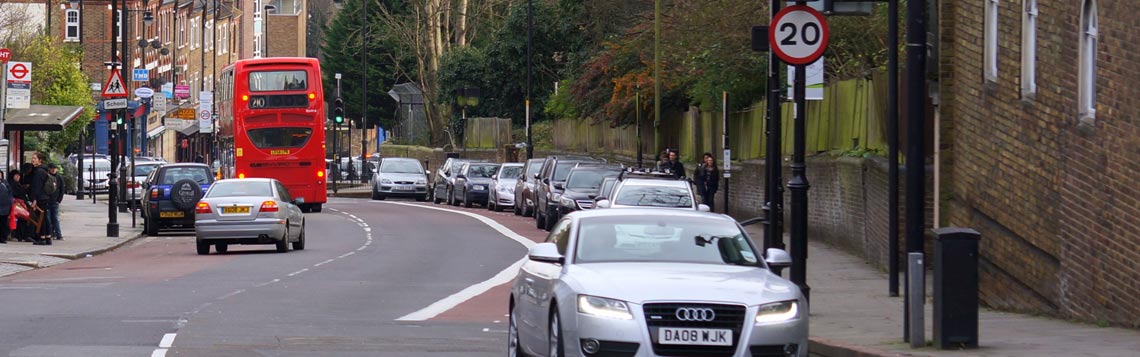
Car Accident Lawyers in New Rochelle, New York
If you have gotten in a car accident, it could seriously change your life. Whether the accident was caused by the other party’s fault or a fault of your own, you’ll want to to make sure that you are ready to prepare yourself for any cases that might follow.
Immediately following any type of car accident, it is important to take certain steps to ensure that the courts will treat you with respect and fairly. First, assess your mental and physical condition. Make sure right after the accident, you document any information regarding the accident and situation, it can be of great help later on.
You’ll want to make sure that you seek professional help for any medical conditions you may be experiencing. Do not wait to seek medical attention, you’ll want to make sure that you have documented evidence of the injury that was caused by the accident. The amount of treatment is also taken into consideration in every case.